
Originally posted on 4/21/2020 (reformatted).
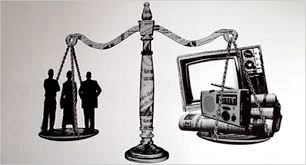
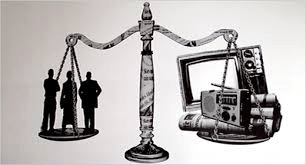
What lawyers generally do is interesting to many lawyers and non-lawyers alike. That is why we are one of the most-portrayed professions in television and movies. Well-meaning individuals will find out you are a lawyer and ask, “Oh, have you seen (this show or movie)? It is the best. You have to watch it. You will love it.” After you have heard it 100 times, I imagine you will do as I do – smile and nod. What non-lawyers do not understand about the way that the law is portrayed in entertainment media is that it is seldom accurate. Trials do not happen within weeks of the incident. Seldom are there true surprises at trial like so dramatically portrayed on television and movies. 90%-99% of cases never even proceed to trial. The countless hours in motion or trial prep is not portrayed. Preparing for all contingencies is not portrayed. Being a lawyer is not what the entertainment media portrays – it is more than just arguing convincingly and dressing nicely. Entertainment media and the law make poor friends.
The news media is also infrequently the friend of the law. Because what we do is interesting and because real-life cases involve real-life people that we feel real-life connections with, real-life cases often are very interesting to the public. Oftentimes, news reporters are placed on rigorous deadlines and often without the legal background to accurately report what is made public – both in-court proceedings and written pleadings or during investigation. The media will also not have available to it all the facts that are known to the attorneys or judge/jury. I genuinely believe that most of the time, reporters want to get everything right and want to accurately report such – but that is difficult without assistance from the litigants.
That assistance is often appropriately not granted. Attorneys are bound by ethical rules and zealous advocacy for our clients to restrain what is said in the media. The parties are often warned by their attorneys to not make public statements or else they may hurt their case. This leaves the media on its own to report with incomplete information and knowledge. No one knows the facts like the parties, the attorneys, and the judge or jury. This can lead to misapprehension of what is occurring or sensationalization of the facts in order to draw more attention to their work. The media may also accidentally feed a narrative that can also appear to lead to results which appear unfair to the public. Media attention rarely makes handling a case easier for the attorneys. If often makes it much harder than it would have otherwise been. In rare cases, it may also pressure the attorneys or the parties into reaching a result that is unjust or would otherwise not be available.
As attorneys, we can do our best not to rush to judgment for cases reported in the media. Our system of justice often does what it is supposed to do when everyone does their part – the attorneys and the judge/jury. The media’s job is to report what is interesting and true, but often they are left without the tools to do so accurately. Sometimes, the facts that would make everything make sense to the public must remain secret and never be disclosed. As attorneys, I would encourage you to not rush to judgment about the rightness or wrongness of a result as portrayed by the media. I would encourage you to caution others to not rush to judgments when they see a case that upsets them portrayed in the media. Trust me that you’ll want it when it’s your case in the media because the media and the law are seldom good friends.
Chris Wickman
Nichols Law Firm
East Lansing, MI
 Inter Alia