
The Perception
Insurance defense attorneys get a bad rap. Often seen as the guardians of ruthless mega-corporations intent on protecting the bottom line—the social perception of insurance defense attorneys is relatively dismal compared to other areas of the legal field.
Young insurance defense lawyers, proud of their new career and thrilled to be “in the club,” may quickly realize that society does not like them. Rather, while we hope to be the heroes of our stories, the mention of insurance defense quickly forces us to question whether we are actually the villains.
From personal experience, the mention of insurance defense to non-lawyers leads to debates about morals and questions about career intentions. This article serves to briefly highlight a different perception of insurance defense.
Defending Against Fraud
Insurance fraud costs Americans billions of dollars per year.[1] Insurance fraud consequently leads to increased insurance rates that affect innocent people.[2] These rates cost the average American Family between $400 and $700 per year in increased premiums. [3] Fraud “exploits citizens who may be financially vulnerable and puts them at risk of harm.”[4]
Insurance defense provides an avenue to fight fraud and ensure that bad actors do not go unchecked. The reasonable claims are proven by evidence and then settled or paid accordingly. Claims that raise a red flag are forced to prove their case or expose the absence of one.
There is value in fighting fraudulent claims or litigation perpetuated by bad actors. Insurance defense attorneys play a legitimate role in combating illicit activities that cost Americans billions of dollars each year.
Corporation v. Corporation
Many plaintiffs do not nicely fit within the colloquially-created ideal of David fighting Goliath. Rather than being the innocent and injured parties seeking injury payments from major corporations—many plaintiffs themselves are structured corporate organizations.
Instead of an underlying claimant, many cases involve the claimant’s medical providers. Like any business, medical providers are motivated by profit. This motivation incentivizes unethical and ethically gray practices that can take advantage of public systems and innocent people.[5] Insurance defense attorneys are often standing in the way of a business intent on collecting from another business.
The idea of a sympathetic individual facing off against the Goliath insurance entity is more the exception than the rule. Even as an exception, the risk of fraud is ever-present and presents a real need for zealous insurance defense.
Final Thoughts
Public perception of insurance defense is underwhelming. Though the area has merit—many people often choose the path of moral grandstanding to justify dubious beliefs. While there will always be unethical attorneys, my early experience in the field has revealed that the defense of insurance companies is simply misunderstood.
[1] Fraud Investigation Unit Annual Report 2023, DIFS 1, 3 (2023), https://www.michigan.gov/difs/-/media/Project/Websites/difs/FIU/FIU_Annual_Report_2023.pdf.
[2] Id.
[3] Insurance Fraud, FBI, https://www.fbi.gov/stats-services/publications/insurance-fraud (last visited May 11, 2024).
[4] Amber Ainsworth, 6 Accused of Targeting Michigan Car Crash Victims with Insurance Fraud Scheme, Fox 2 Detroit (Apr. 28, 2023) (citing Attorney General Dana Nessel), https://www.fox2detroit.com/news/6-accused-of-targeting-michigan-car-crash-victims-with-insurance-fraud-scheme.
[5] See e.g., Twenty-Three Individuals Charged in $61.5 Million Medicare Fraud Schemes, Off. Pub. Affs. (Feb. 7, 2023), https://www.justice.gov/opa/pr/twenty-three-individuals-charged-615-million-medicare-fraud-schemes; see also, e.g. Ainsworth, supra note 4.
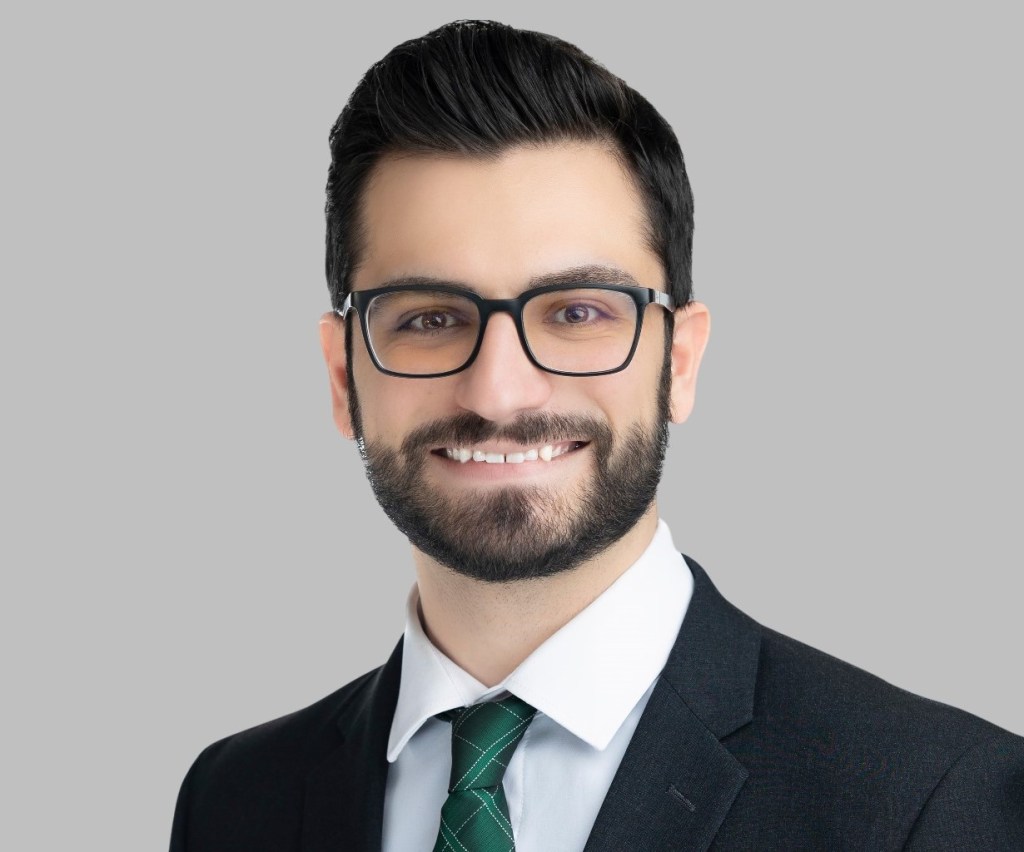
Anthony Leo is an associate attorney at Anselmi Mierzejewski Ruth & Sowle P.C. where he practices insurance defense.
 Inter Alia