
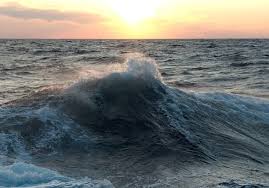
I knew I was in trouble when the boat started climbing waves like it was trying to get over a speed bump made by God.
This was supposed to be a peaceful whale-watching trip in San Diego: sunshine, ocean air, maybe dolphins, maybe whales. Instead, a few minutes after we left the dock, the water turned rough. The boat started hitting the waves hard enough that conversation faded. A few passengers got sick. A few started looking for life jackets. I tried to keep my face calm, but the lawyer in me had already taken over: I wonder what that waiver actually said.
That is the thing about waivers. Most people do not read them. We scroll, click, sign, and move on with our day. The waiver feels like background paperwork until the boat starts bouncing, your stomach drops, and the people around you stop laughing. Then the document you ignored suddenly feels much more important.
The waiver for this trip was not gentle. It warned about injury, illness, drowning, paralysis, death, bad weather, waves, currents, falling overboard, and even negligence by the company’s staff. In plain English, the company was saying: the ocean is risky, bad things can happen, our people might make mistakes, and you agree not to sue us if they do.
That sounds serious because it is serious. But a waiver is not magic. Under general maritime law, a vessel owner still owes passengers reasonable care under the circumstances. Michigan waiver law follows a similar common-sense line. A clear release may protect a business from ordinary negligence claims, but public policy does not give anyone a free pass for gross negligence, reckless conduct, or willful and wanton misconduct. A signature matters. The facts still matter more.
There is a big difference between rough water and ignored danger. Getting seasick is not the same as being placed in a situation that never should have happened. Boats rock. Water splashes. Weather changes. If the captain checked conditions, maintained a safe vessel, gave proper instructions, and responded reasonably as the trip unfolded, the waiver may do exactly what it was designed to do: protect the company from ordinary risks passengers accept when they board.
The harder question is whether the danger came from the water or from someone’s judgment. Reasonable care is not frozen at the dock. A decision that made sense at departure can become unreasonable if conditions worsen, passengers panic, or safety concerns are ignored. That is where a waiver stops being the whole story.
As a Michigan attorney, I thought about our own water. We do not have the Pacific Ocean, but we know dangerous conditions. The Great Lakes can look calm from shore and turn serious fast. That matters because recreational risk is not limited to oceans, cruise ships, or vacation excursions. It shows up on boats, beaches, docks, rental properties, gyms, youth sports fields, and anywhere else someone signs a release before taking part in an activity.
That is why waivers deserve more attention than they usually get. A waiver can warn people about normal risks and shift some responsibility to the person choosing to participate. But it should not become a permission slip for carelessness. The signature starts the analysis. It should not end it.
If someone were seriously injured or killed on a trip like this, the waiver would only be one part of the case. Lawyers would ask what the weather reports showed, what the captain knew before leaving the dock, what passengers were told, whether safety procedures were followed, and whether the decision to continue made sense as conditions changed. A waiver may narrow the road to recovery, but it should not erase the road altogether when the facts are serious enough.
For young lawyers, the drafting lesson is simple: be clear, be specific, and do not overreach. Spell out the real risks. Do not hide important language in dense fine print. Say what rights are being waived. Use words normal people understand. And do not pretend a waiver can excuse gross negligence, reckless conduct, or intentional harm. The strongest draft is not always the one that grabs the most rights. Sometimes the strongest draft is the one a court can trust because it is honest about what the law will and will not allow.
I got on that boat hoping to see whales. Halfway through, I just wanted to see the dock. By the end, I had a new respect for the ocean and a clearer understanding of what a waiver can and cannot do. Natural danger is part of life on the water. Danger caused by bad decisions is different. That is where the waiver meets the wake.

Antwuan Hawkins is a District II Council Representative and an associate attorney at Levine Benjamin.
Like what you read? Want to see more SBM YLS content? Subscribe below!

